Electric kettle manufacturing
Electric Kettles
Choose standard, temperature-control or gooseneck kettle platforms.
Review platforms Review electric kettle OEM sourcingManufacturing & quality · buyer qualification
Explore our electric kettle manufacturing environment and the production and quality requirements for our kitchen and beverage appliance programmes. We review model configuration, market requirements and inspection scope for each project.
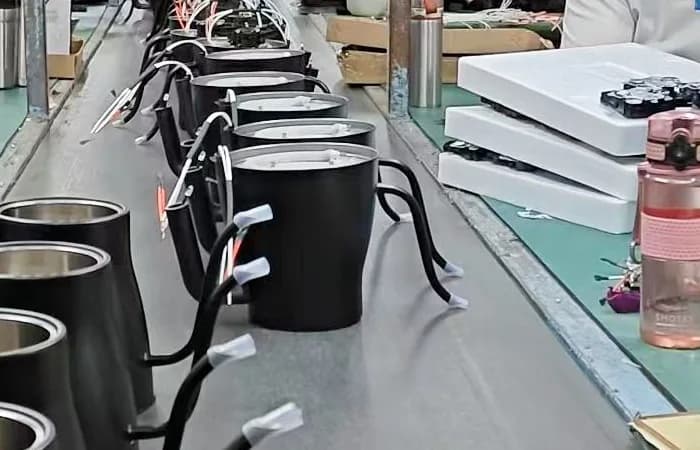
Useful qualification inputs
Factory photographs
The photographs below show our electric kettle production environment, including components, work areas and equipment.
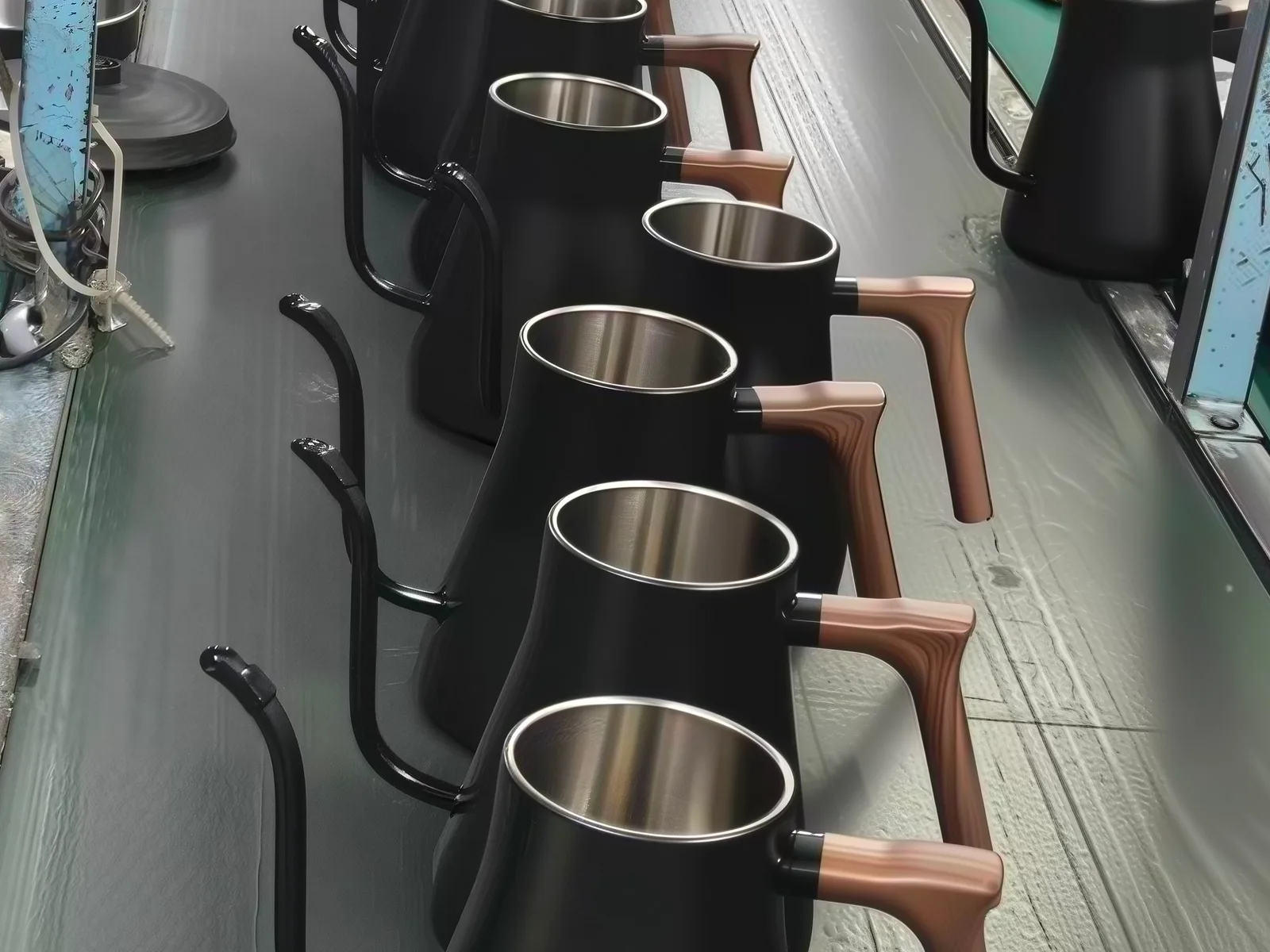
Kettle bodies and components on a production-area work surface.
Electric kettle production area.
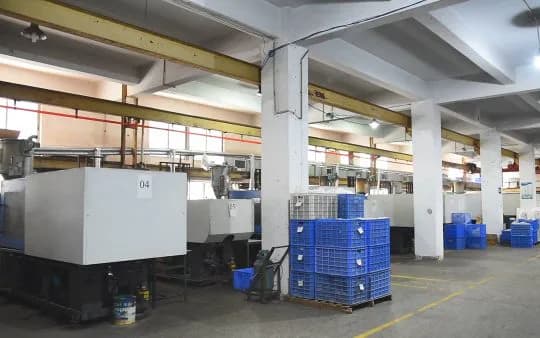
Production equipment, open work areas and storage bins.
Workshop equipment and material handling.
Published product scope
Electric kettle manufacturing is our foundation. Explore all six appliance families and confirm production, model and quality requirements for your selected programme.
Electric kettle manufacturing
Choose standard, temperature-control or gooseneck kettle platforms.
Review platforms Review electric kettle OEM sourcingOEM / ODM manufacturing programme
Compare heating capacity, frothing modes and cleaning requirements.
Review platforms Review category OEM / ODM →OEM / ODM manufacturing programme
Compare basket formats, capacities and controls.
Review platforms Review category OEM / ODM →OEM / ODM manufacturing programme
Compare vacuum sealing functions, bag compatibility and food-sealing formats.
Review platforms Review category OEM / ODM →OEM / ODM manufacturing programme
Review filter coffee platforms, brewing capacity and configuration.
Review platforms Review category OEM / ODM →OEM / ODM manufacturing programme
Review grinder platforms, controls and documented specifications.
Review platforms Review category OEM / ODM →Project inputs
A useful manufacturing discussion begins with a defined model, market and scope. These inputs reduce ambiguity before quotation and production planning.
Link the published product family or name the model you are considering so the discussion starts from a defined product.
State the destination market and the electrical, functional, branding and packaging requirements that need to be reviewed.
Share estimated volume and target timing so planning can be reviewed against product mix, configuration and schedule.
Identify the quality checkpoints and product or market documents your team needs confirmed before the project can move forward.
Quality & documentation
Futian reviews quality and documentation questions against the selected configuration and target market. Specific checkpoints depend on the project and quotation scope.
Review the selected model, destination market and agreed configuration before treating any quality or documentation request as applicable.
Define the checkpoints required for the selected programme. The exact scope depends on the project and quotation.
List the product, quality or market documents your team expects so availability and applicability can be checked explicitly.
Review the agreed product and documentation scope before shipment planning without implying a universal inspection method or result.
Company-provided reference figures
These published figures can help frame an initial supplier review. Where your procurement process requires formal evidence, request the supporting record and confirm the applicable definition.
2003
Company-provided founding-year reference.
20,000 m²
Company-provided reference for the electric kettle factory.
30,000 units / month
Electric kettle capacity reference; actual output depends on product mix and production schedule.
Buyer due diligence
The page is intentionally conservative about universal capability claims. A stronger buying decision comes from confirming the exact scope that applies to your selected project.
Name the model or product family you are evaluating and the destination market so the discussion stays configuration-specific.
List the electrical, functional and product requirements that must be confirmed for the selected programme.
State the branding and packaging requirements your team needs reviewed for the project rather than assuming one universal option set.
Define the checkpoints your team expects to review and connect them to the selected configuration and quotation scope.
List the product, quality or market documents your team needs so applicability and availability can be checked for the selected project.
Share estimated volume and target timing so production planning can be reviewed against product mix, configuration and schedule.
Continue your review
Use the route that matches your current decision stage. The RFQ remains the handoff point when you have enough information to request a project review.
Choose a published product platform before discussing project-specific scope.
ContinueReview how product, market, branding and packaging requirements enter the project conversation.
ContinueUse sourcing guides to prepare a clearer procurement brief before contacting the factory.
ContinueNext step
Share the selected model, destination market, configuration, estimated volume and timing, branding or packaging requirements, and the documents or checkpoints your team needs reviewed.
We use necessary technologies to operate this site. With your permission, we use analytics to improve our website and advertising storage to retain campaign information in this tab for RFQ attribution. See our Privacy Policy and cookie information.